Introduction
Jaipur, the Pink City of India, is famous for its magnificent forts, royal palaces, vibrant culture, and unforgettable wildlife experiences. Among the many attractions that draw visitors from around the world, spending time with an elephant in Jaipur has become one of the most memorable activities for travelers seeking a deeper connection with nature and wildlife.
For centuries, elephants have played an important role in Rajasthan’s history and culture. Today, however, modern travelers are increasingly looking for ethical elephant experiences that prioritize the well-being of these gentle giants rather than traditional tourism practices.
If you’re planning a visit to Jaipur and want to enjoy a meaningful elephant safari tour in Jaipur, this guide will help you understand everything you need to know—from ethical interactions and conservation efforts to activities that create unforgettable memories while supporting animal welfare.
Visitors looking for a memorable wildlife experience can explore the activities available at Elephant Park Jaipur, where guests can interact with elephants through feeding, walking, and educational programs.
Why Elephants Are So Important to Jaipur’s Heritage
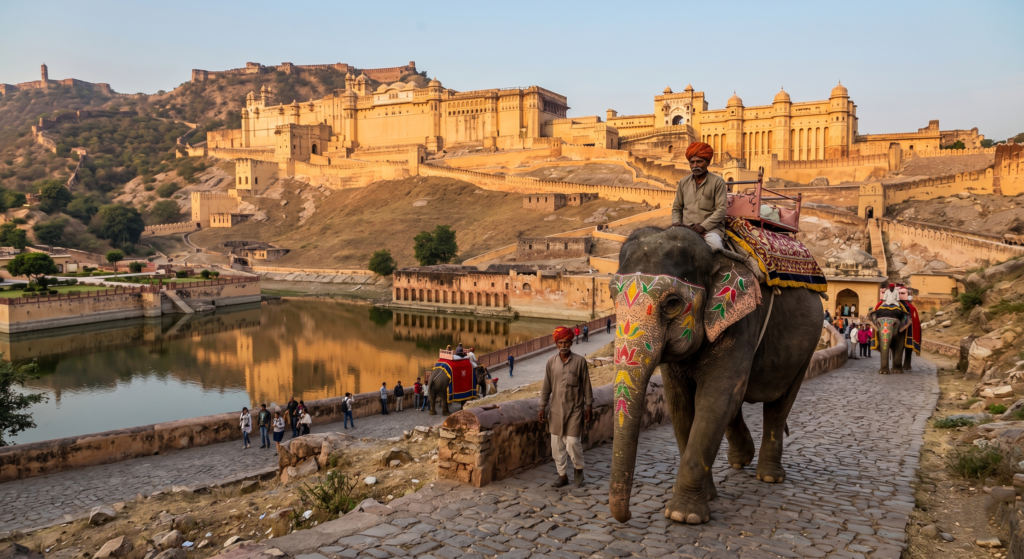
Elephants have long been associated with royalty, strength, wisdom, and prosperity in Indian culture. Historically, they were used in royal processions, ceremonial events, and even warfare during the reign of Rajput kings.
In Jaipur, elephants became symbolic of grandeur and heritage. Their presence at historic locations and festivals reflected the city’s royal traditions. While these traditions remain an important part of Rajasthan’s identity, today’s focus is increasingly shifting toward responsible tourism and ethical elephant care.
Visitors now have the opportunity to learn about elephants in a way that respects their natural behavior while supporting their health and well-being.
Understanding Ethical Elephant Experiences
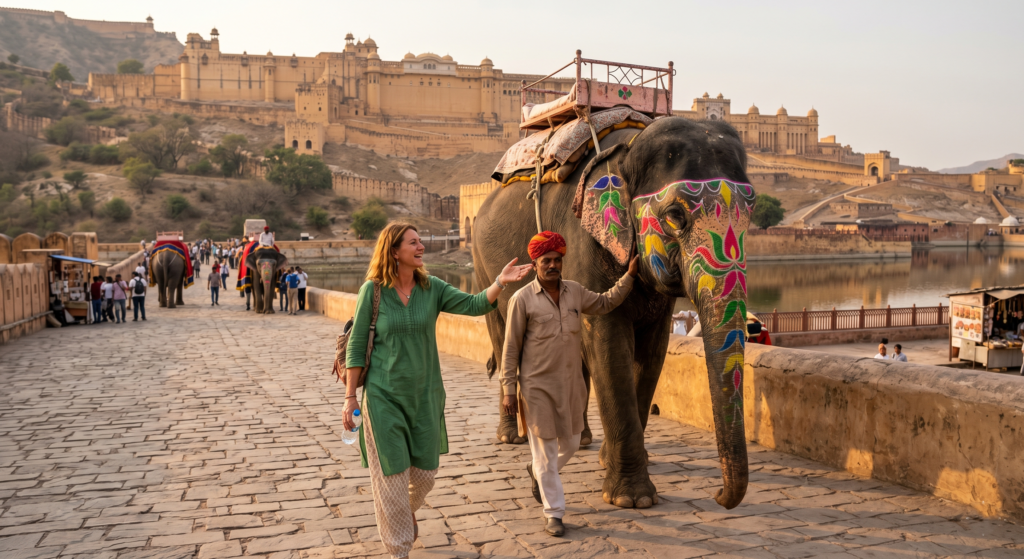
An ethical elephant experience focuses on the welfare, comfort, and dignity of elephants. Instead of treating elephants as entertainment, ethical tourism encourages meaningful interactions that allow visitors to observe and connect with these magnificent animals in a respectful environment.
Ethical elephant experiences typically include:
- Feeding elephants nutritious food
- Walking alongside elephants
- Learning about elephant behavior
- Participating in enrichment activities
- Watching elephants socialize naturally
- Supporting conservation initiatives
- Educational sessions about elephant care
These activities allow visitors to appreciate elephants without causing stress or discomfort to the animals.
What Makes an Elephant Experience Ethical?
Not every elephant attraction operates under the same standards. Responsible visitors should understand the key principles that define ethical elephant tourism.
1. Respect for Natural Behavior
Elephants should be allowed to express their natural behaviors such as walking, socializing, bathing, and exploring their surroundings.
2. Proper Nutrition
Healthy elephants require carefully planned diets consisting of fresh vegetation, grains, fruits, and supplements.
3. Veterinary Care
Regular health check-ups and access to professional veterinary support are essential for elephant welfare.
4. Spacious Environment
Ethical facilities provide sufficient space for elephants to move freely and interact with other elephants.
5. Education and Conservation
The best elephant experiences educate visitors about elephant welfare, conservation challenges, and responsible tourism practices.
The Growing Demand for Ethical Elephant Tourism in Jaipur
Modern travelers are becoming more aware of wildlife welfare issues than ever before. Instead of seeking purely entertainment-based attractions, visitors increasingly prefer experiences that support conservation and responsible animal care.
This shift has encouraged wildlife facilities and elephant parks in Jaipur to adopt better practices and create educational experiences that benefit both elephants and tourists.
As a result, ethical elephant tourism has become one of the fastest-growing segments of Jaipur’s tourism industry.
Activities You Can Enjoy with Elephants in Jaipur
Feeding Elephants
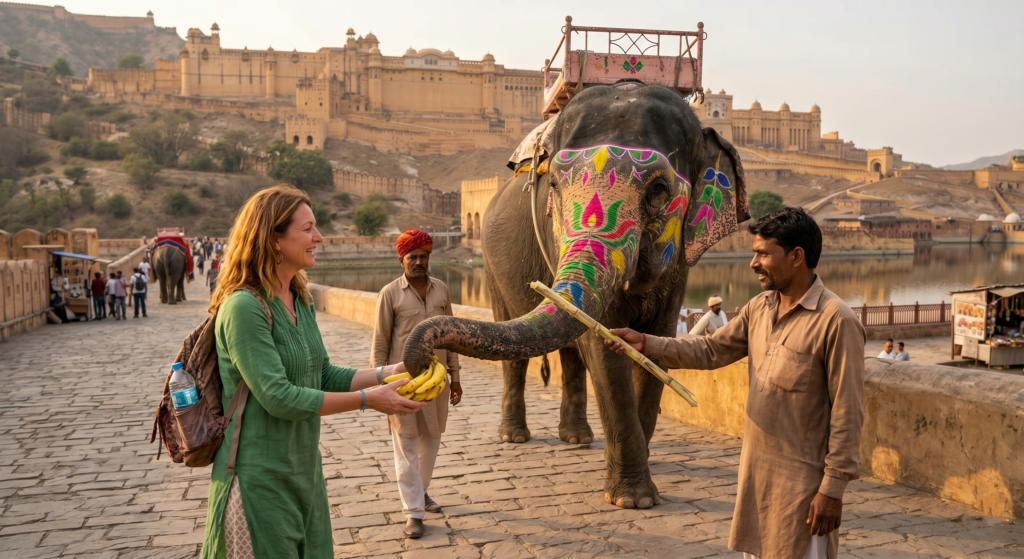
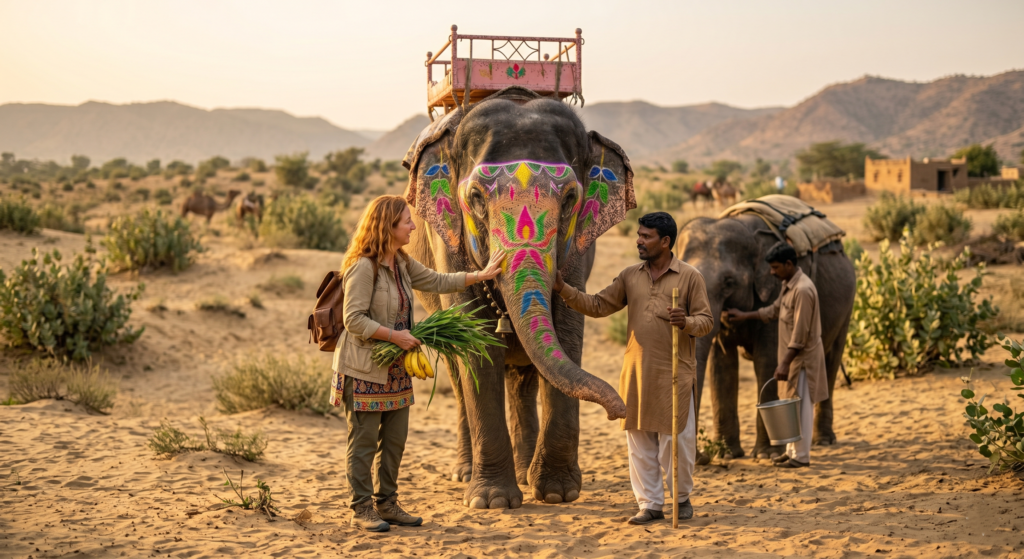
Feeding is often one of the most enjoyable and rewarding elephant interactions.
Visitors can offer:
- Bananas
- Sugarcane
- Seasonal fruits
- Vegetables
- Special nutritional treats
Feeding sessions help visitors build trust with elephants while learning about their dietary needs.
Walking with Elephants
Walking alongside an elephant allows visitors to observe its natural movements and behavior in a peaceful environment.
During these walks, guides often explain:
- Elephant communication
- Social structure
- Daily routines
- Personality traits
This creates a deeper appreciation for these intelligent animals.
Learning About Elephant Behavior
Elephants are among the most intelligent animals on Earth. Educational sessions can help visitors understand:
- Family bonds
- Emotional intelligence
- Memory capabilities
- Communication methods
- Conservation challenges
Many visitors find these educational experiences just as fascinating as the physical interactions themselves.
Photography Opportunities
Elephants provide incredible photography opportunities. Visitors can capture memorable moments while maintaining a respectful distance and ensuring the animals remain comfortable.
Learn more about our elephant feeding, painting, bathing, and walking experiences.
Elephant Safari Tour in Jaipur: What to Expect
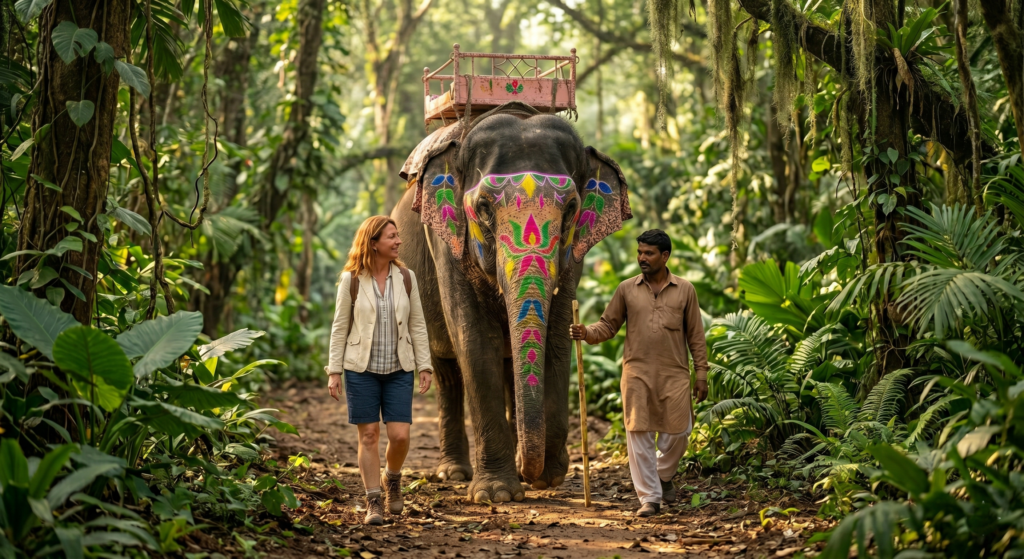
An elephant safari tour in Jaipur offers a unique way to explore Rajasthan’s natural beauty while enjoying close encounters with elephants.
Unlike conventional sightseeing tours, elephant safari experiences provide a slower, more immersive journey through scenic surroundings.
Depending on the experience chosen, visitors may enjoy:
- Guided elephant walks
- Nature trails
- Cultural storytelling
- Wildlife education
- Traditional Rajasthani hospitality
- Local cuisine experiences
The focus is increasingly shifting toward educational and conservation-based experiences rather than purely recreational activities.
Visitors can also combine their elephant experience with a guided Jaipur sightseeing tour.
Why Families Love Elephant Experiences in Jaipur
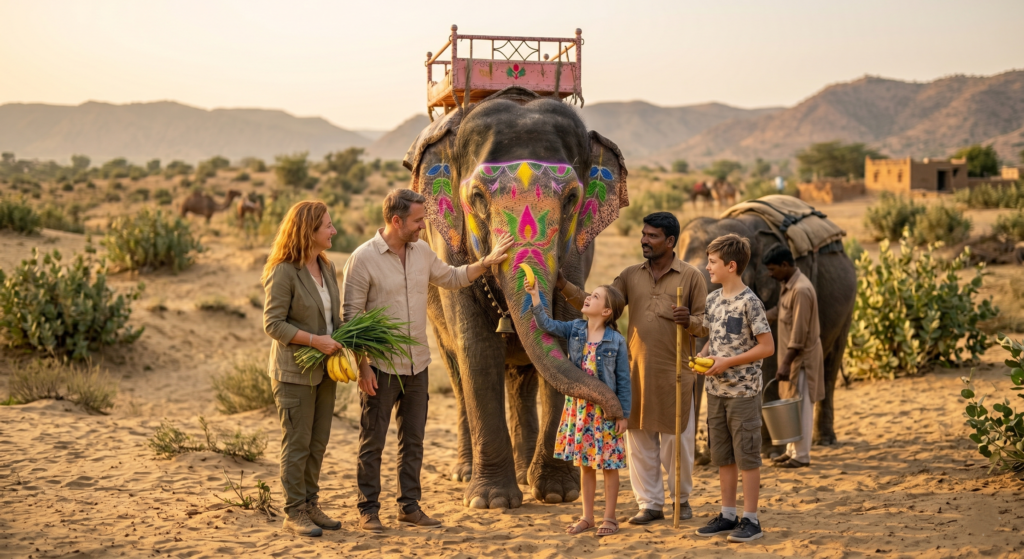
Families traveling to Jaipur often consider elephant experiences a highlight of their trip.
Children especially enjoy:
- Feeding elephants
- Learning interesting facts
- Watching elephant behavior
- Taking family photographs
- Participating in educational activities
These experiences create lasting memories while teaching younger generations about compassion, wildlife conservation, and responsible tourism.
Elephant Intelligence: Fascinating Facts
Elephants are remarkable creatures with extraordinary cognitive abilities.
Some fascinating facts include:
Excellent Memory
The phrase “an elephant never forgets” exists for a reason. Elephants can remember locations, individuals, and experiences for many years.
Strong Emotional Bonds
Elephants form deep social relationships and often demonstrate empathy toward other elephants.
Complex Communication
They communicate using:
- Vocal sounds
- Body language
- Touch
- Low-frequency vibrations
Problem-Solving Skills
Researchers have found elephants capable of solving complex problems and adapting to new situations.
Understanding these traits helps visitors appreciate why ethical treatment is so important.
Conservation Challenges Facing Elephants
Although elephants are among the world’s most iconic animals, they face numerous challenges.
Habitat Loss
Expanding human settlements and agricultural development continue to reduce elephant habitats.
Human-Wildlife Conflict
As natural habitats shrink, elephants increasingly come into contact with human populations.
Climate Change
Changing weather patterns affect food availability and water resources.
Awareness and Education
Many conservation organizations emphasize the importance of public education in protecting elephant populations.
Responsible tourism can play an important role in supporting awareness and conservation efforts.
How Ethical Tourism Supports Elephant Welfare
Every visitor has the power to contribute positively to elephant welfare.
When tourists choose ethical experiences, they help support:
- Proper nutrition
- Veterinary care
- Habitat maintenance
- Staff training
- Educational programs
- Conservation awareness
Ethical tourism creates incentives for facilities to prioritize animal welfare and maintain high standards of care.
Best Time to Enjoy an Elephant Experience in Jaipur
Jaipur welcomes visitors throughout the year, but some seasons offer particularly pleasant conditions.
October to March
This is generally considered the most comfortable period due to cooler temperatures.
Early Morning Visits
Morning experiences are often preferred because:
- Temperatures are lower
- Elephants tend to be more active
- Lighting is excellent for photography
- Visitor crowds are smaller
Planning your visit during these times can enhance the overall experience.
Responsible Visitor Guidelines
To ensure a positive experience for both visitors and elephants:
Follow Guide Instructions
Experienced handlers understand elephant behavior and safety requirements.
Avoid Loud Noises
Sudden loud sounds may disturb elephants.
Respect Personal Space
Always allow elephants to move naturally and comfortably.
Support Ethical Facilities
Choose attractions that prioritize welfare, education, and conservation.
Learn and Engage
Ask questions and take time to understand the elephants’ stories and needs.
Why Ethical Elephant Experiences Are the Future of Tourism
Tourism continues to evolve as travelers become more conscious of their impact on animals and the environment.
Ethical elephant experiences represent a positive step forward because they:
- Promote animal welfare
- Encourage education
- Support conservation
- Create meaningful visitor experiences
- Foster respect for wildlife
Rather than viewing elephants as attractions, ethical tourism encourages people to see them as intelligent, emotional beings deserving of care and respect.
Conclusion
Experiencing an elephant in Jaipur can be one of the most rewarding moments of your Rajasthan journey. Whether you’re interested in an educational encounter, a family-friendly activity, or an elephant safari tour in Jaipur, choosing an ethical experience ensures that your visit contributes positively to elephant welfare.
By supporting responsible tourism, visitors help create a future where elephants can thrive while continuing to inspire generations with their intelligence, beauty, and gentle nature.
A truly ethical elephant experience is about more than simply seeing an elephant—it’s about understanding, respecting, and helping protect one of the world’s most extraordinary animals.