Jaipur Tour

A Complete City Tour Experience

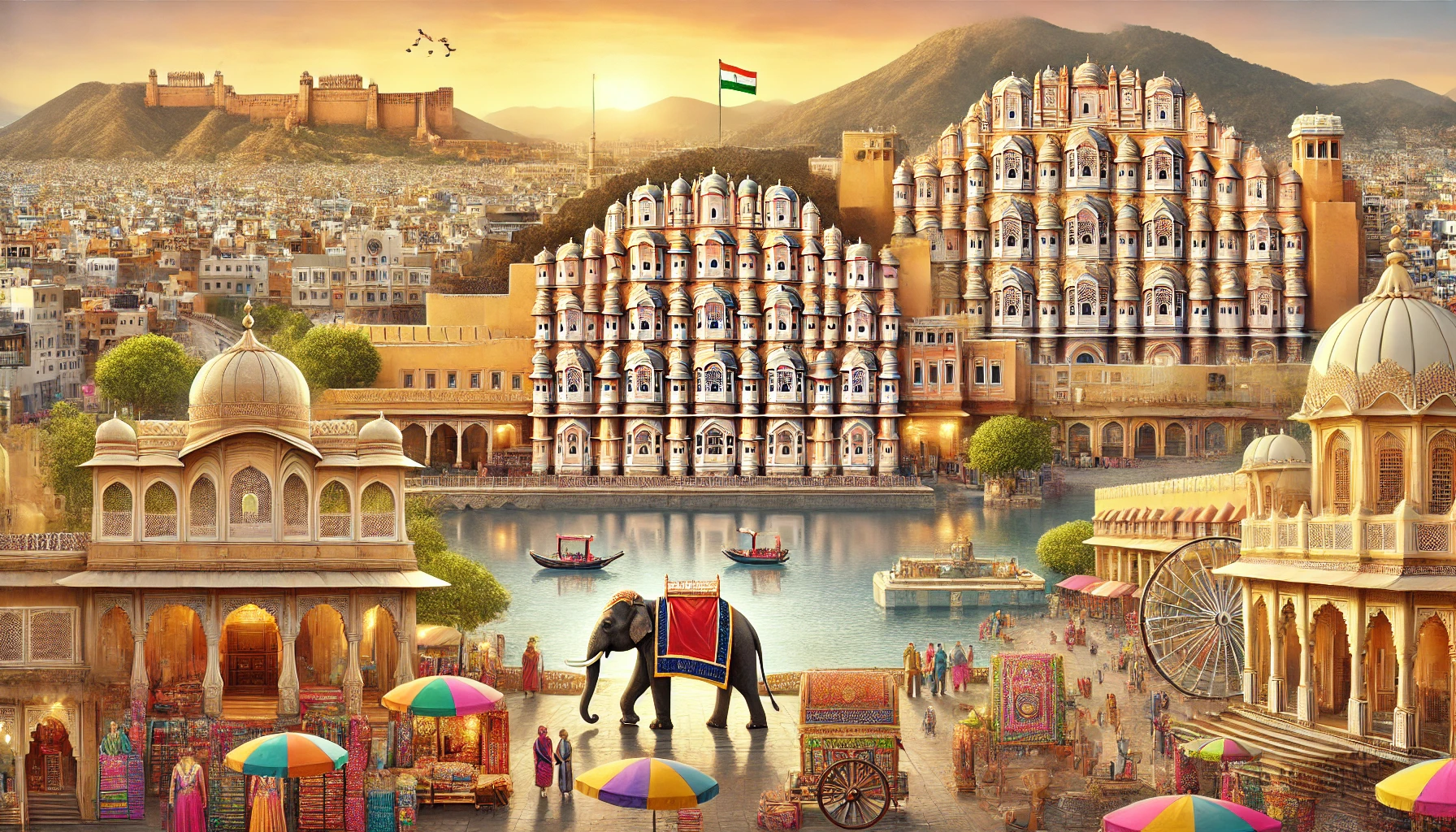
Jaipur, famously known as the Pink City, is a vibrant blend of history, culture, and architectural splendor. The city’s iconic pink-hued buildings, a symbol of hospitality, create a mesmerizing backdrop for its royal heritage. From the majestic Amer Fort and the intricate Hawa Mahal to the grand City Palace and the astronomical marvel of Jantar Mantar, Jaipur offers a journey through time. Bustling bazaars like Johari and Bapu Bazaar showcase exquisite handicrafts, textiles, and jewelry, while authentic Rajasthani cuisine delights the senses. With its regal charm and warm hospitality, Jaipur remains a must-visit destination for history and culture enthusiasts.

Discover Forts, Palaces & Historic Wonders

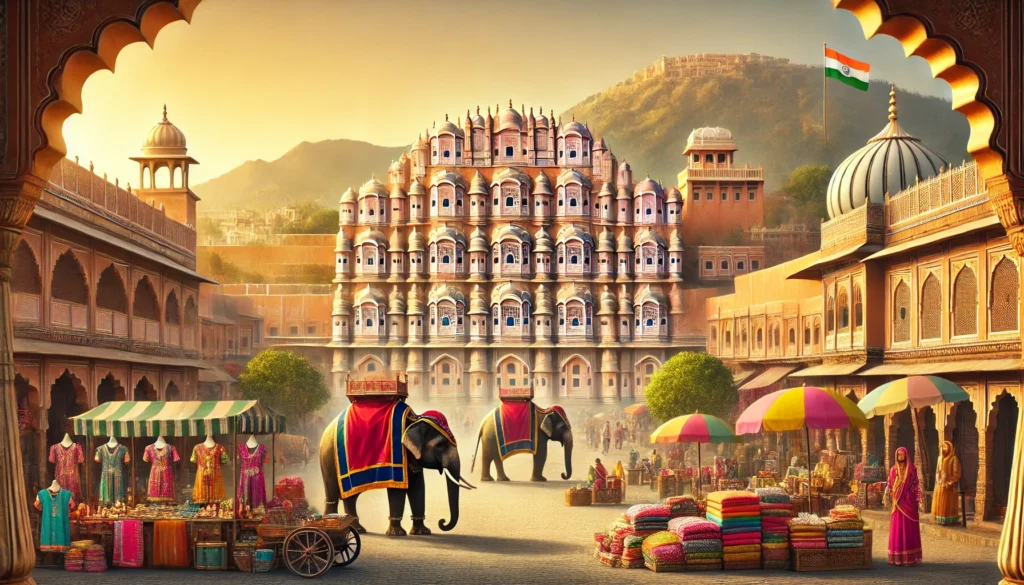
Hawa Mahal, the “Palace of Winds,” is a stunning five-story structure in Jaipur, built in 1799 by Maharaja Sawai Pratap Singh. Its 953 intricately carved windows allowed royal women to observe street life while maintaining privacy. Made of red and pink sandstone, this architectural marvel blends Rajput and Mughal styles, offering a breathtaking view of Jaipur’s vibrant streets and a mesmerizing play of light and shadow.

Iconic Landmarks & Royal History of Jaipur

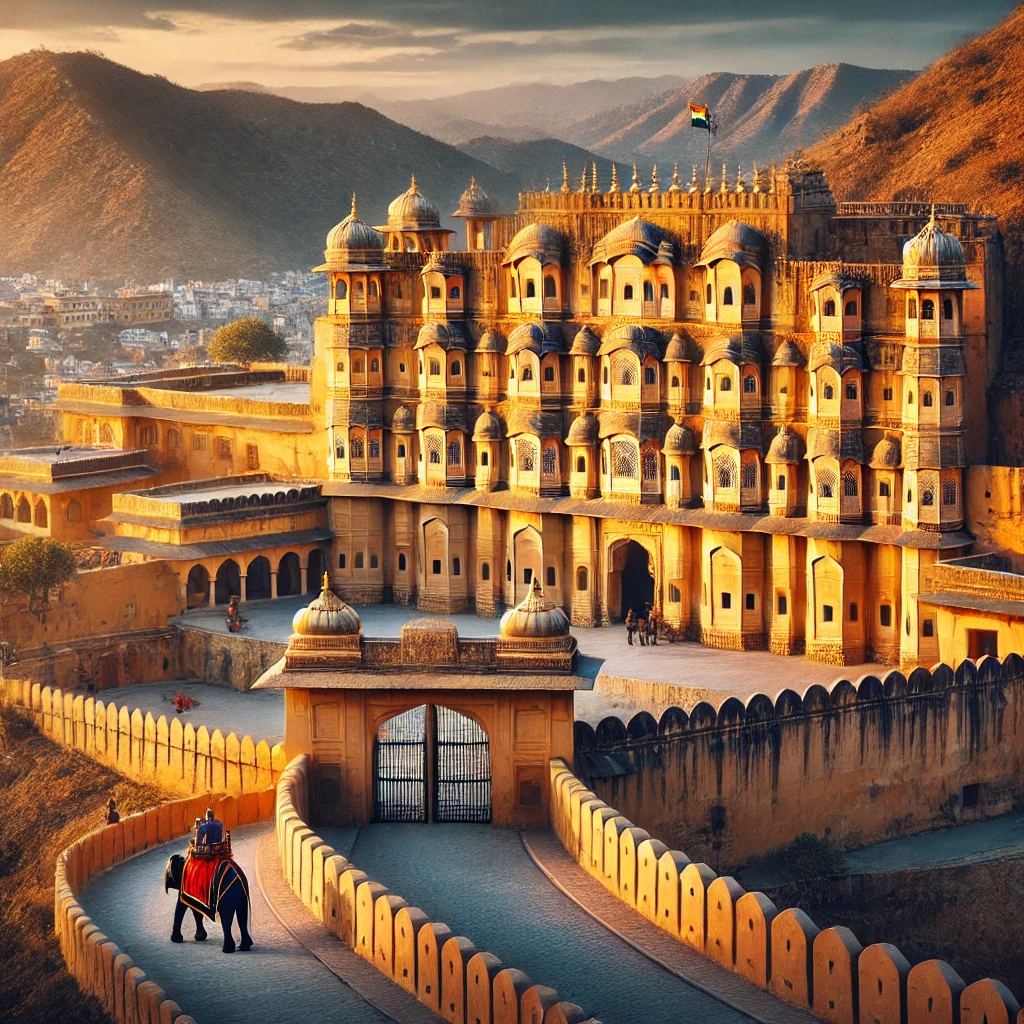
Amer Fort, also known as Amber Fort, is a majestic fortress located on a hilltop in Jaipur, Rajasthan. Built in the 16th century by Raja Man Singh I, this grand structure blends Rajput and Mughal architectural styles, featuring intricate carvings, massive ramparts, and stunning courtyards. The fort’s highlight is the Sheesh Mahal (Mirror Palace), adorned with thousands of tiny mirrors that reflect light beautifully. Overlooking Maota Lake, Amer Fort offers breathtaking views and a glimpse into Rajasthan’s royal history. Visitors can explore its opulent halls, enjoy elephant rides, and witness the fort’s illuminated beauty at night.

A Journey Through Rajasthan’s Royal Past

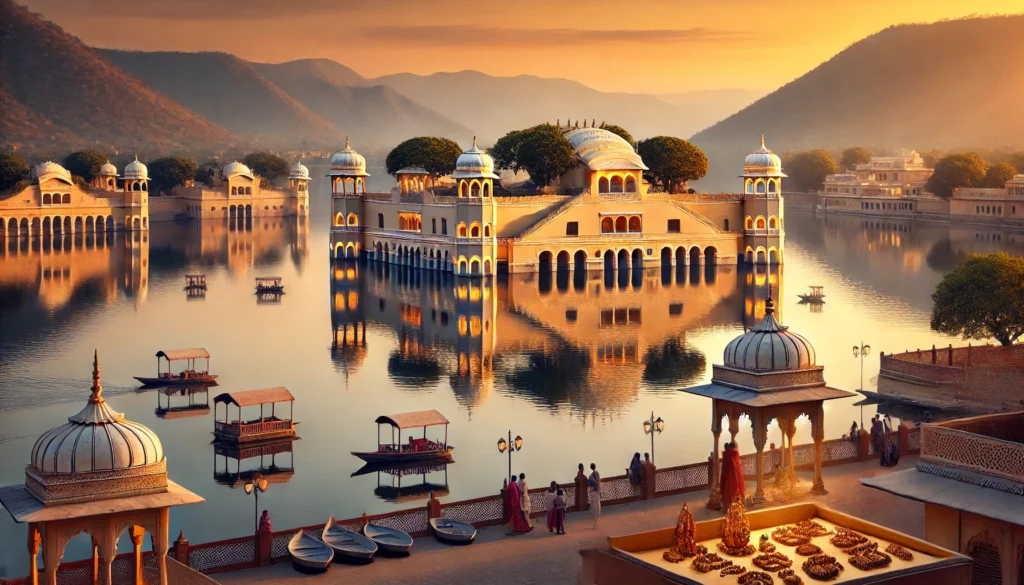
Jal Mahal, or the “Water Palace,” is a stunning architectural gem in Jaipur, floating serenely in the middle of Man Sagar Lake. Built in the 18th century by Maharaja Madho Singh I, this five-story palace features Rajput and Mughal architectural styles. Four of its floors remain submerged when the lake is full, leaving only the top visible, creating a breathtaking sight. Though entry is restricted, visitors can admire its beauty from the lakeshore or take a boat ride for a closer view. Surrounded by the Aravalli hills, Jal Mahal is a picturesque symbol of Jaipur’s royal elegance and architectural brilliance.

Experience the Magic of Jaipur

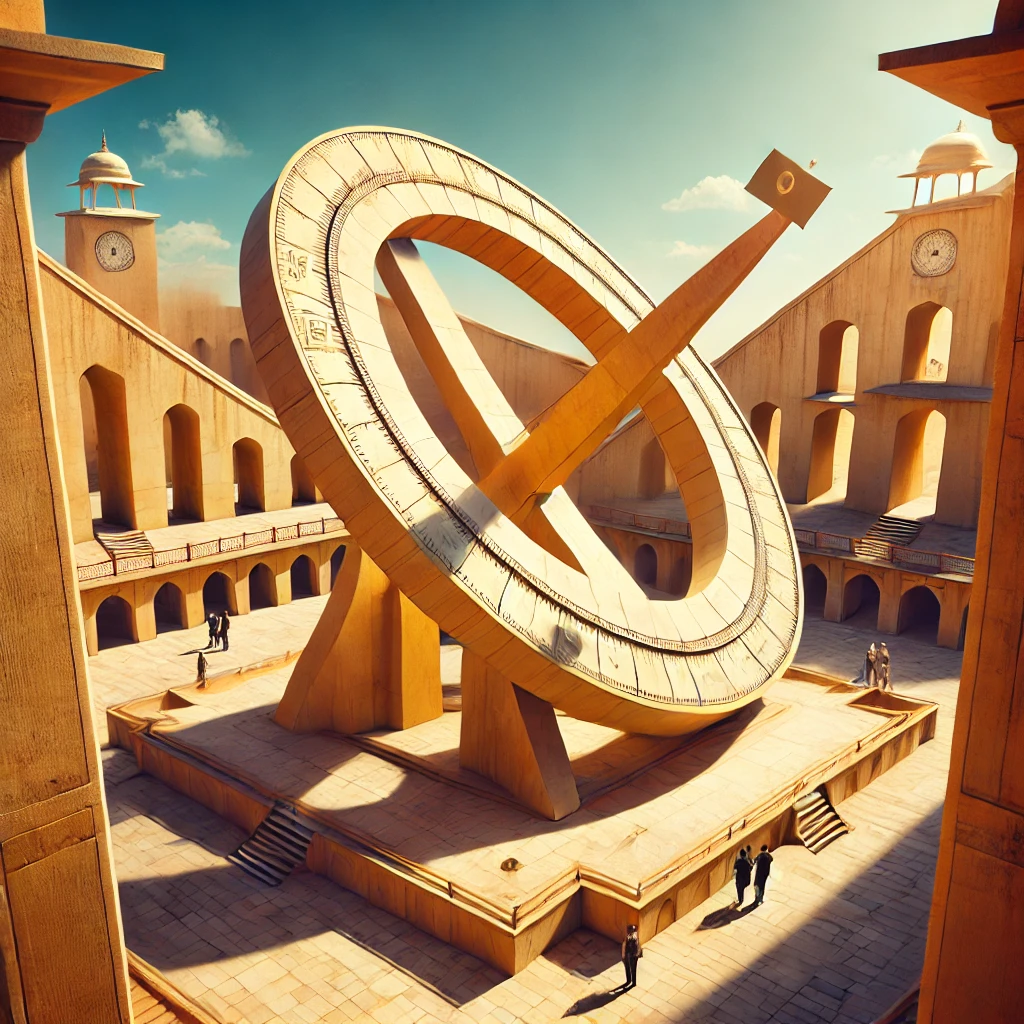
Jantar Mantar in Jaipur is an astronomical observatory built by Maharaja Sawai Jai Singh II in 1734. A UNESCO World Heritage Site, it features 19 architectural instruments designed to measure time, track celestial bodies, and predict eclipses with remarkable accuracy. The Samrat Yantra, the world’s largest sundial, is a key attraction, showcasing the scientific brilliance of ancient India. Located in the heart of Jaipur, near the City Palace, Jantar Mantar remains a fascinating blend of history, astronomy, and architecture, drawing visitors and researchers from around the world.

Explore the Royal Gems of Rajasthan

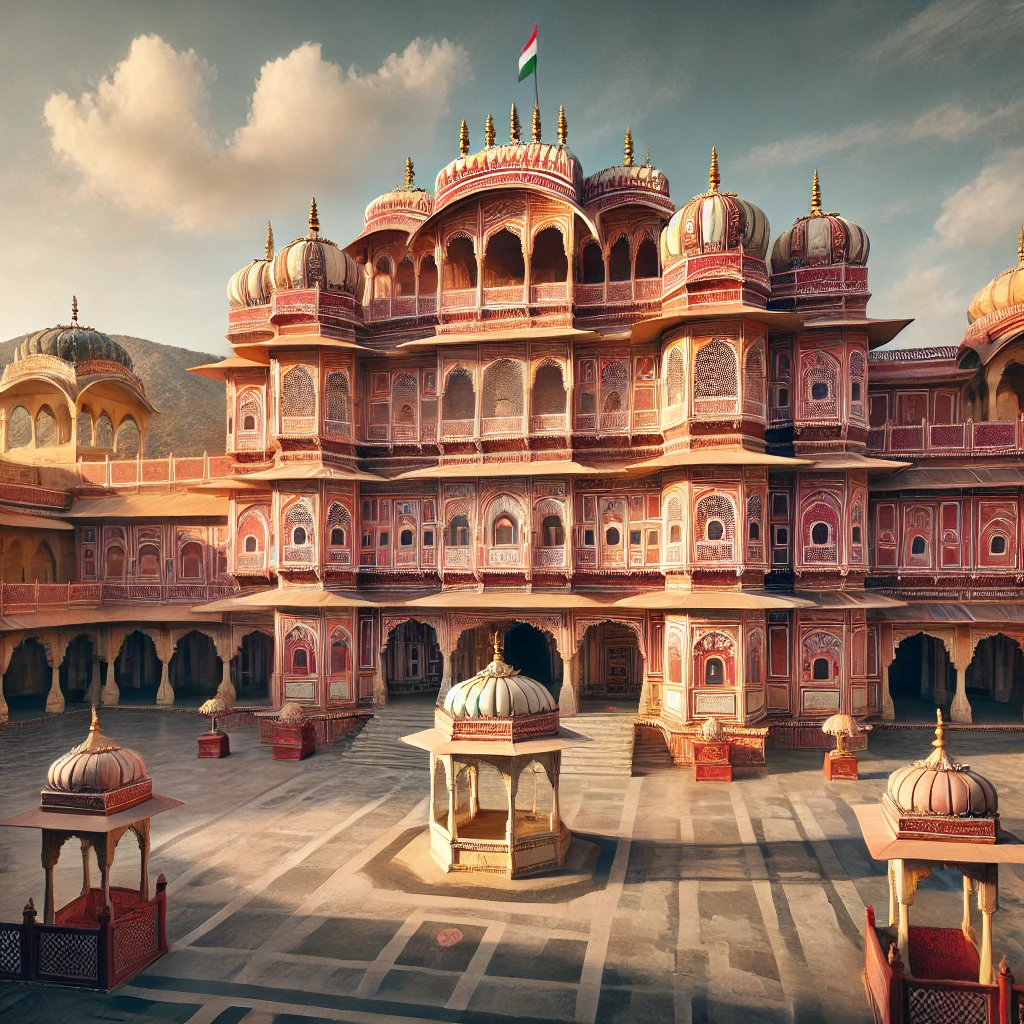
City Palace in Jaipur is a magnificent royal residence that showcases the grandeur of Rajasthan’s heritage. Built by Maharaja Sawai Jai Singh II in the 18th century, the palace is an architectural masterpiece blending Rajput, Mughal, and European styles. It houses stunning courtyards, gardens, and historic buildings, including the Chandra Mahal and Mubarak Mahal. The palace also features a museum displaying royal artifacts, costumes, and weapons. Its beautifully adorned gates, such as the Peacock Gate, reflect intricate craftsmanship. Located in the heart of the Pink City, City Palace remains a symbol of Jaipur’s regal splendor and rich history.